

Views: 0 Author: Site Editor Publish Time: 2025-12-11 Origin: Site


In the world of industrial machinery, selecting the right motor is crucial. A wrong choice can lead to inefficiency and higher costs.When it comes to 3 phase low voltage motor vs 3 phase high voltage motor, understanding the key differences is essential.In this article, we’ll compare these two types of motors, their advantages, disadvantages, and help you choose the right one for your needs.
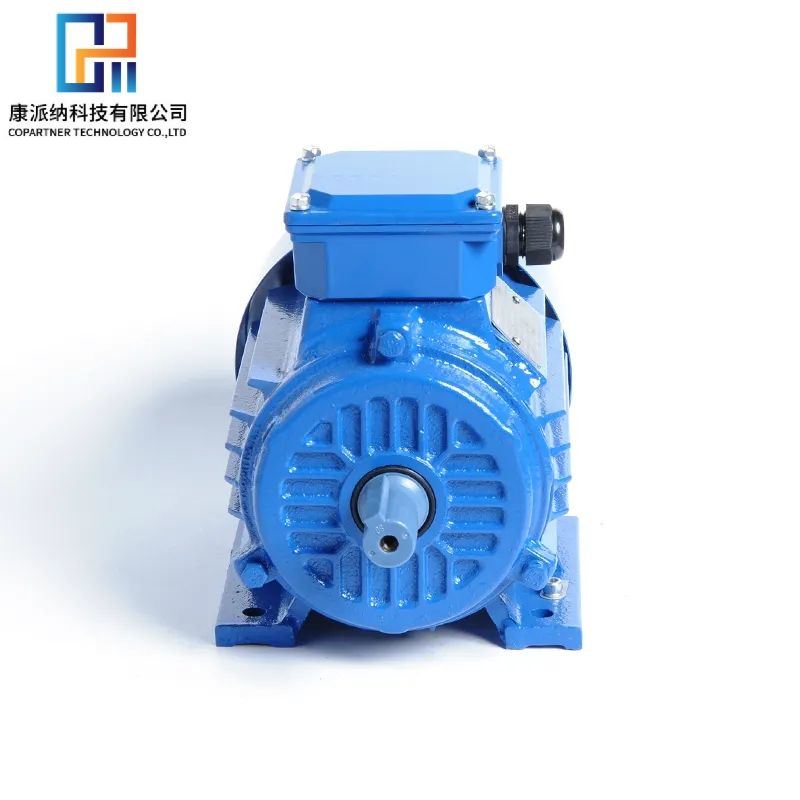
A 3 phase low voltage motor operates with a voltage of 1,000 volts or less. These motors are commonly used in small industrial applications, commercial facilities, and household equipment. Their simplicity, safety, and ease of installation make them ideal for environments where power demands are moderate. Low voltage motors are typically found in HVAC systems, conveyor belts, small pumps, and even home appliances.These applications require less power but still need motors that are reliable and efficient for daily use. For example, HVAC systems in commercial buildings depend on low voltage motors for efficient operation without incurring high energy costs. The motor's ability to operate efficiently while keeping energy consumption in check makes it a cost-effective solution for these applications.
Low voltage motors are designed with simpler materials and insulation systems compared to high voltage motors. They often use cold-rolled silicon steel for the stator core, making them lighter and more compact. The insulation classes used in low voltage motors (Class A or B) are also suitable for lower temperatures, helping to maintain safe and efficient operation.Since low voltage motors are lighter, they are typically easier to install in smaller spaces. This makes them ideal for installations in smaller facilities or environments where space is limited. Additionally, the simplicity in design helps reduce initial setup and maintenance costs, which is an advantage in operations with budget constraints.
While 3 phase low voltage motors are energy-efficient for smaller tasks, they are not suitable for heavy-duty operations. These motors are best used in applications where energy efficiency and cost savings are crucial but the power demand remains moderate.Low voltage motors perform optimally in applications that require intermittent operation or where the machinery doesn't need to run for extended hours. Examples include small conveyor belts, basic pumps, and fans. The energy-efficient design of these motors ensures that even with their smaller power output, they still offer optimal performance while minimizing energy consumption.
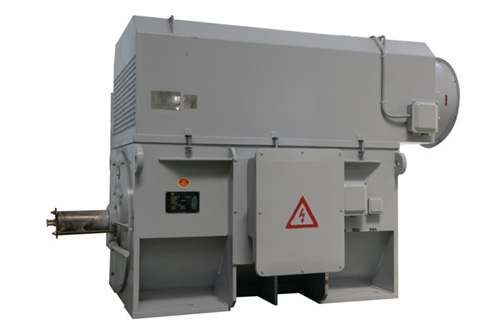
A 3 phase high voltage motor operates at voltages above 1,000 volts, and is used in industries that require large amounts of power. These motors are found in heavy machinery, power plants, oil refineries, and large manufacturing operations. Their ability to handle higher loads with less current makes them ideal for demanding tasks like driving large pumps, compressors, and heavy-duty machinery.High voltage motors are often used in industries that need consistent and powerful performance, such as in manufacturing and energy production. They play a crucial role in ensuring the smooth operation of large-scale systems that cannot afford downtime. The energy efficiency of these motors helps large factories or power plants reduce their energy consumption over time.
The construction of high voltage motors is more advanced compared to their low voltage counterparts. These motors require better insulation (often Class F or H) to withstand the higher electrical stress they encounter. The stator core is typically made of high-grade silicon steel, and the motor incorporates advanced cooling systems, such as independent radiators and dual fans, to prevent overheating.High voltage motors are designed to handle greater electrical stresses, which is why the insulation and cooling systems are more sophisticated. The advanced cooling systems, including external radiators and heat exchangers, allow these motors to function at higher capacities without overheating, which is critical in high-demand industrial operations.
3 phase high voltage motors excel in large-scale industrial environments because they operate with lower current, reducing power loss and improving overall efficiency. Their robust design allows them to run for longer periods without overheating, making them the go-to choice for heavy-duty machinery.
High voltage motors are highly efficient when used in applications with large power requirements. For example, in industrial applications like cement factories, steel mills, and mining operations, the ability to move large amounts of power with less energy loss helps reduce operational costs in the long run. This results in significant energy savings, especially when these motors are used to run large-scale equipment over extended periods.
Aspect | 3 Phase Low Voltage Motor | 3 Phase High Voltage Motor |
Voltage Range | Below 1,000 volts | Above 1,000 volts |
Applications | Small industrial equipment, household appliances | Large-scale industrial equipment, heavy machinery |
Efficiency | Energy-efficient for smaller applications | Better efficiency for high-power demands |
Installation Complexity | Easier and cheaper to install | More complex, requires specialized equipment |
Cost | Lower upfront cost | Higher upfront cost, but lower operational cost |
Maintenance | Easier to maintain | Requires more maintenance due to complexity |
When deciding between a 3 phase low voltage motor and a 3 phase high voltage motor, consider the following factors:
● Power Requirements: How much power does your application require? High voltage motors are ideal for heavy-duty tasks, while low voltage motors are best for smaller tasks.
● Cost Considerations: High voltage motors require a larger initial investment but can save on long-term operating costs. Low voltage motors are more affordable to install but might not offer the same energy savings for large applications.
● Safety and Space: Low voltage motors are generally safer and require less space, making them ideal for smaller or confined environments. High voltage motors require more space and more stringent safety measures.
When choosing the right motor, always consider the power needs of your application. A mismatch can lead to inefficiencies or excessive operational costs. For larger operations that require consistent high power, high voltage motors are the better choice. Conversely, for smaller setups, a low voltage motor offers efficiency and lower initial costs.
In industrial manufacturing, 3 phase high voltage motors are often used for large pumps, compressors, and other heavy machinery. These motors are crucial for operations that require continuous power, such as power plants or oil refineries. On the other hand, 3 phase low voltage motors are ideal for applications in smaller factories, HVAC systems, and even food processing equipment, where power needs are moderate.
Note: Always assess your operational needs carefully before selecting the motor. For heavy industries, high voltage motors will provide more power and efficiency in the long run.
● Higher Efficiency: High voltage motors are more efficient for large-scale operations, reducing current consumption.
● Better for High Loads: These motors are designed to handle high loads with fewer energy losses, making them ideal for heavy-duty industrial applications.
● Long-Term Cost Savings: Despite their higher upfront cost, high voltage motors can save money in the long term by reducing energy consumption and improving operational efficiency.
● Safer and Easier to Install: 3 phase low voltage motors are safer and easier to install, making them a great choice for smaller tasks.
● Cost-Effective: These motors have lower upfront installation costs, making them ideal for smaller businesses or operations with a limited budget.
● Simplicity: With simpler designs, low voltage motors require less maintenance and are easier to manage.
● High Voltage Motors: High voltage motors are expensive to install and maintain, requiring specialized equipment and skilled personnel. However, their long-term cost benefits often outweigh the initial investment.
● Low Voltage Motors: 3 phase low voltage motors are less efficient for large operations and may lead to higher long-term operational costs if used for heavy-duty tasks.
Choosing between a 3 phase low voltage motor and a 3 phase high voltage motor depends largely on the application requirements. For heavy industries requiring large power output, high voltage motors provide better efficiency and lower long-term costs. For smaller-scale applications or environments with lower power demands, low voltage motors are the more practical, cost-effective solution.When selecting a motor, consider the power requirements, installation complexity, and long-term operating costs. Properly matching your motor to your needs will optimize performance, increase efficiency, and ensure that your equipment runs smoothly for years to come.
Copartner Technology Co., Ltd. offers high-quality 3 phase low voltage motors and 3 phase high voltage motors, providing reliable, efficient, and cost-effective solutions for various industrial applications. Their products are designed for long-lasting performance and optimal efficiency, helping businesses reduce operational costs and improve productivity.
A: A 3 phase low voltage motor operates under 1,000 volts and is ideal for smaller equipment. A 3 phase high voltage motor, on the other hand, operates above 1,000 volts and is used for large-scale industrial applications requiring more power.
A: Consider the power requirements and the scale of your operation. For smaller tasks, a 3 phase low voltage motor is ideal. For heavy-duty applications, a 3 phase high voltage motor will offer better efficiency and lower long-term costs.
A: 3 phase high voltage motors offer better energy efficiency for large-scale applications by consuming less current and reducing energy losses over time. They are ideal for heavy industrial equipment.
A: 3 phase low voltage motors are better suited for smaller applications or environments with lower power needs. For large industries requiring more power, 3 phase high voltage motors are more appropriate.
A: 3 phase high voltage motors require more complex installation and maintenance due to their size and power requirements. 3 phase low voltage motors are easier and cheaper to install and maintain, making them more suitable for smaller tasks.


