

Views: 0 Author: Site Editor Publish Time: 2025-12-22 Origin: Site


Is your industrial electric motor installation ready for success? Incorrect installation can lead to costly repairs and operational failures. In this guide, we’ll walk you through the essential steps of a proper industrial electric motor installation. You’ll learn key tips and common mistakes to avoid, ensuring your motor performs at its best for years.
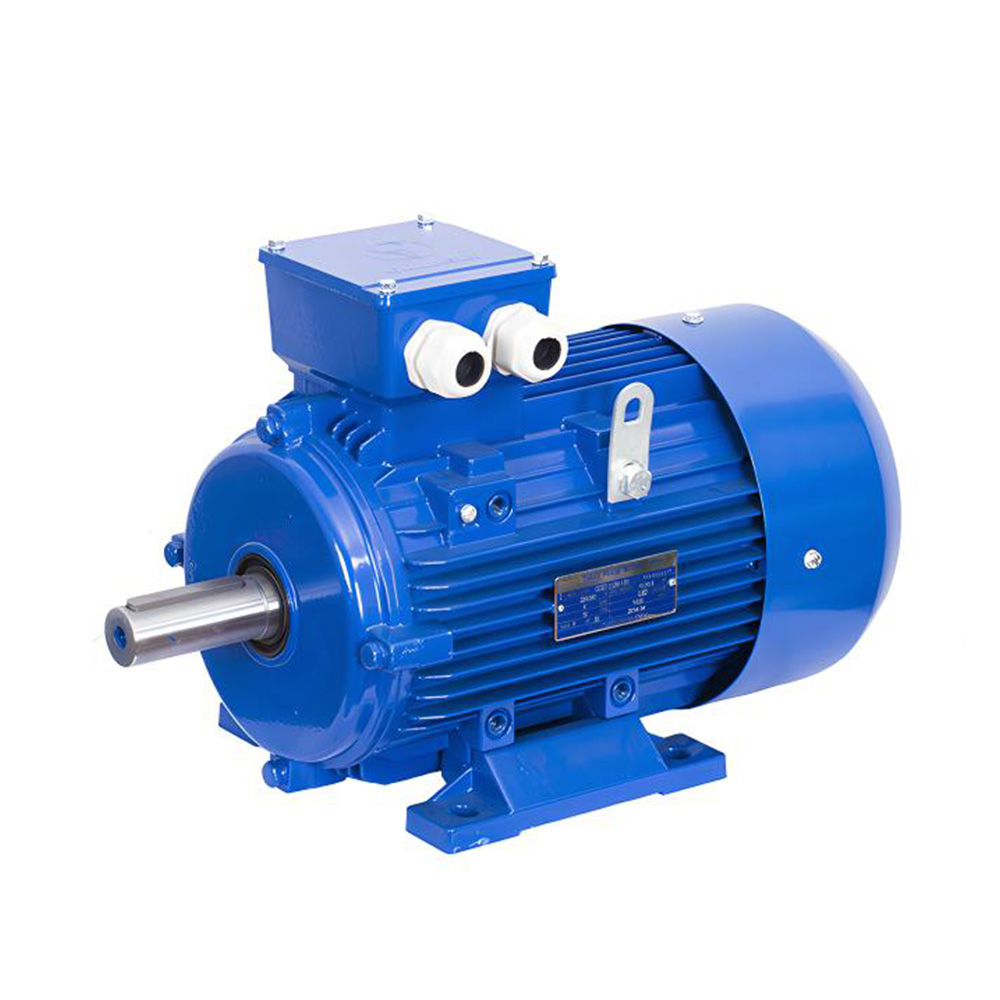
Preparation is key to a successful motor installation. This stage lays the foundation for the entire installation process, ensuring everything is in place before the actual setup begins.
Before installation, confirming the motor specifications is the first and most crucial step. This includes checking the voltage, frequency, power, and the type of motor casing (enclosure type). Each of these factors must align with the power supply and the application’s requirements. For example, selecting a motor with the wrong voltage can result in failure to start or even permanent damage. Double-check the motor’s nameplate information, ensuring the motor is correctly rated for its intended use.
Properly assessing motor specifications also helps in understanding the environmental and operational conditions the motor will face. For example, a motor intended for a high-temperature environment will need specialized insulation. Verifying the specifications ensures that the motor not only fits your operational needs but also minimizes the risk of early failures.
The installation site plays a significant role in the motor’s performance. Check that the area is clean, dry, and free from excessive moisture, dust, or chemicals that might affect the motor’s components. Additionally, the foundation or mounting surface must be stable, level, and able to support the motor's weight and torque. An uneven or weak foundation can result in misalignment, excessive vibration, and premature wear on both the motor and connected machinery.
Ensure that the area has enough space for ventilation. Electric motors generate heat during operation, and poor airflow can cause overheating, reducing efficiency and potentially leading to motor failure. Moreover, evaluate the surrounding environment for any potential hazards like excessive vibrations or proximity to hazardous materials.
Before starting the installation, gather all the necessary tools and equipment. You’ll need basic tools like wrenches, screwdrivers, and pliers, as well as more specialized equipment such as insulation testers and laser alignment tools. Having the correct tools at hand will ensure the installation process is smoother and more efficient.
It’s also essential to verify that all tools are in good working condition to prevent any disruptions during the installation. Additionally, safety equipment like gloves and safety goggles should be worn to protect yourself from electrical hazards or accidental injuries.
Tip: Make sure to have spare parts on hand, such as seals and electrical connectors, as these might be needed during the installation process.
Correct motor mounting is crucial to prevent misalignment and vibration. This section covers how to properly position and secure the motor for optimal operation.
The alignment of the motor with its driven equipment (such as pumps or compressors) is a vital step in the installation process. Misalignment can lead to increased vibration, wear on bearings, and inefficient operation. Aligning the motor properly ensures that both the motor shaft and the driven equipment shaft are in perfect alignment, which is crucial for smooth operation.
Use advanced alignment tools such as laser alignment systems to ensure precise alignment. These systems provide highly accurate measurements and can help you avoid alignment errors that might be difficult to detect manually. Regular checks for alignment after installation can prevent issues from escalating over time.
Inaccurate alignment can cause vibrations, leading to more serious mechanical issues like bearing damage or increased power consumption. Therefore, taking the time to perform this step thoroughly is key to ensuring long-term motor reliability.
After aligning the motor, the next step is securing it in place. The motor must be firmly mounted to prevent any movement that could cause operational issues. Use the appropriate fasteners as specified by the motor manufacturer. If the mounting surface is not perfectly level, consider using shims to achieve a precise fit. Avoid over-tightening bolts, as this can lead to stress and potential damage to both the motor and the mounting base.
The type of mounting you use—whether foot mounting or flange mounting—depends on the motor's design and the specific application. Both methods require careful attention to detail to ensure that the motor is stable and vibration-free.
Mounting Method | Advantages | Suitable Applications |
Foot Mounting | Suitable for various loads; highly stable | Small motors or applications requiring frequent movement |
Flange Mounting | Ideal for compact spaces; secure attachment | High-load motors or applications with limited space |
Tip: Using lock washers or thread-locking compounds can help prevent bolts from loosening over time, especially in high-vibration environments.
Electric motors rely heavily on proper electrical connections. Incorrect wiring can lead to operational failures or even dangerous electrical hazards. This section outlines how to safely and correctly make electrical connections.
Proper wiring is essential for ensuring that the motor operates efficiently and safely. Always refer to the manufacturer’s wiring diagram to ensure that the motor is connected correctly. The wiring should be securely tightened to prevent loose connections that could cause electrical short circuits or overheating.
When selecting wiring, ensure the cables are the correct size for the motor’s current and distance from the power source. Incorrectly sized cables can result in higher resistance, increased power loss, and potentially dangerous conditions. Additionally, ensure that the wiring is well-insulated to prevent accidental electrical shocks or fires.
For multi-voltage motors, make sure to configure the wiring correctly (e.g., star/delta or series/parallel connections) to match the electrical supply.
Proper grounding is one of the most important safety measures in motor installation. The motor frame must be grounded to prevent damage from electrical faults. Always ensure that grounding wires are securely attached to the motor’s designated grounding points, and use cables that meet local electrical code standards.
In addition to grounding, bonding ensures that all exposed metal parts of the motor are electrically connected, reducing the risk of electrical shock or fire. This step is crucial for compliance with safety regulations and for protecting workers from electrical hazards.
Note: Never overlook grounding and bonding, as these are essential to preventing electrical malfunctions and ensuring the safety of both the motor and operators.
Proper cooling and ventilation are essential for maintaining motor performance and extending its lifespan. Without adequate cooling, the motor can overheat, leading to damage or complete failure. This section explains how to ensure the motor remains adequately cooled during operation.
Airflow is crucial for motor cooling. The motor must be placed in a location with unobstructed airflow around its cooling vents. Blockages can lead to heat buildup, which may damage internal components. Ensure that the motor’s cooling system, including fans or heat sinks, is functioning properly and clean from debris or dust.
In addition, avoid placing the motor in areas with high temperatures or direct sunlight, as these conditions can further exacerbate overheating. If necessary, install external cooling systems to enhance airflow.
For Totally Enclosed Fan Cooled (TEFC) motors, make sure the fan cover is intact and the air inlets and outlets are clear of debris.
For motors operating in particularly hot environments or under heavy load conditions, additional cooling systems may be required. This can include external ventilation fans or even water-cooled systems, depending on the motor’s size and application.
For water-cooled motors, ensure that the cooling system is correctly plumbed and tested before starting the motor. Regular checks of the cooling system are essential to ensure continuous performance and avoid overheating.
Tip: Perform routine inspections of the cooling system, especially in environments with heavy dust or dirt, to ensure the motor stays at an optimal operating temperature.
Testing is critical before commissioning the motor to ensure it meets all operational expectations. This section outlines the testing procedures required to confirm the motor is working correctly.
Before starting the motor, perform essential tests to ensure it is functioning correctly. Use a megger to check insulation resistance and verify that there are no faults in the motor windings. Also, perform a rotation check to ensure the motor’s direction matches the intended rotation for the driven equipment.
During this phase, you should also verify that all electrical connections are secure and that there are no signs of wear or damage. If any issues are identified during pre-startup testing, address them before proceeding.
When starting the motor for the first time, carefully monitor key parameters such as current draw, vibration levels, and motor temperature. Pay attention to any unusual noise or vibrations, as these can indicate misalignment, imbalance, or internal damage.
It’s important to let the motor run under load conditions for a brief period and check that all systems are working as expected. If all readings are within the normal range, the motor can be considered ready for full operation.
Tip: Keep a log of all test results for future reference and comparisons during routine maintenance.
Maintaining your motor after installation is just as crucial as the installation itself. Regular maintenance can extend the motor’s lifespan and reduce the likelihood of unexpected failures.
Keep a detailed record of the installation process, including motor specifications, installation steps, and test results. This documentation can be invaluable for troubleshooting future issues and verifying compliance with safety standards.
Including maintenance logs in your documentation ensures that all inspections and repairs are tracked, helping you stay ahead of potential problems. These records can also be helpful when requesting warranty support or during audits.
Regular maintenance ensures that the motor operates efficiently and lasts longer. Schedule periodic inspections to check for wear and tear, lubricate moving parts, and clean any dust or debris from cooling vents.
Adhering to the manufacturer’s recommended maintenance schedule is essential for preventing premature failures and maintaining optimal performance. Regular maintenance also allows you to identify potential problems early, saving both time and money on repairs.
Note: Proactive maintenance can extend your motor’s lifespan by up to 50%, reducing the need for costly repairs.
The process of industrial electric motor installation is crucial for ensuring optimal performance and longevity. Proper preparation, alignment, and testing are key steps to avoid costly repairs and downtime. In this guide, we discussed essential installation tips and common mistakes to avoid. For those seeking reliable motors, Copartner Technology Co., Ltd. offers high-quality electric motors, designed to meet industry standards. Their products, like the ones featured at industrial electric motor installation, provide excellent value by ensuring durability and efficiency in any application.
A: Industrial electric motor installation involves setting up motors in industrial applications to ensure efficient operation. This process includes alignment, wiring, mounting, and ensuring proper cooling.
A: Proper installation of industrial electric motors is crucial for performance and longevity. Incorrect installation can lead to inefficient operation, breakdowns, and costly repairs.
A: Use advanced alignment tools like laser alignment systems to ensure the motor shaft is perfectly aligned with the driven equipment, reducing vibration and wear.
A: Before installation, confirm motor specifications, inspect the site for adequate ventilation, and ensure tools and equipment are ready. Proper preparation minimizes installation issues.
A: Regular maintenance, including inspections, lubrication, and cleaning, is essential to ensure motors operate efficiently and last longer. Follow the manufacturer's maintenance schedule.


