

Views: 0 Author: Site Editor Publish Time: 2025-12-18 Origin: Site


In the fast-paced food and beverage industry, efficiency, reliability, and compliance with safety standards are critical. The right equipment can make a significant difference in production efficiency, product quality, and safety. Electric motors for the food and beverage industry are essential components in this equation. However, not all electric motors are created equal. Specialized motors designed to withstand the harsh conditions of food processing environments are necessary to ensure safety, hygiene, and productivity.
In this article, we will delve into why food and beverage plants require specialized electric motors, covering the unique demands of the industry, the benefits of using specialized motors, and the challenges faced by plants using non-specialized equipment. By understanding these needs, businesses can make informed decisions that optimize their operations.
The food and beverage industry operates under strict hygiene and safety regulations. These standards are designed to prevent contamination and ensure food safety. In environments where food products are being processed, handled, or packaged, cleanliness is paramount. Electric motors for the food and beverage industry must meet these high standards by being easy to clean, resistant to contamination, and capable of withstanding high-pressure washdowns.Specialized motors, like washdown-duty motors, are built with features that prevent food particles, bacteria, or contaminants from accumulating. For example, stainless steel or epoxy-coated motors can be easily sanitized and are designed to prevent corrosion from caustic cleaning solutions.
The food and beverage industry is energy-intensive, with many processes requiring continuous power to drive machinery like mixers, conveyors, and packaging lines. As energy costs continue to rise, it becomes more crucial to use equipment that minimizes consumption while maintaining high performance. Specialized electric motors offer superior energy efficiency, which is crucial in food processing plants. These motors are designed to optimize power usage and reduce operational costs, all while maintaining reliability in harsh environments. Motors in applications such as refrigeration, cooling systems, or high-speed conveyors must be designed to run efficiently without compromising performance. High-efficiency motors help lower energy costs, increase sustainability, and meet green manufacturing standards.
In addition to hygiene and energy standards, the food and beverage industry is governed by various regulations such as NSF (National Sanitation Foundation) certifications and IP ratings (Ingress Protection). These regulations ensure that the equipment used in food production meets the required standards for food safety, durability, and performance.Standard electric motors may not meet these criteria. They might be prone to damage from harsh cleaning processes or could become breeding grounds for bacteria. Specialized electric motors are designed with specific coatings and seals to ensure compliance with industry standards.
Tip: Ensure that the motors you choose for food processing meet the necessary certifications, such as NSF and IP ratings, to ensure your plant is fully compliant.
Automation is a key driver of efficiency in the food and beverage industry. Automated systems, powered by specialized electric motors, enhance consistency and precision in processes such as mixing, packaging, and labeling. Motors used in automated systems need to be highly reliable and able to perform continuously without breakdowns. Specialized electric motors offer precise control over speed, torque, and motion, enabling manufacturers to fine-tune their processes for optimal results. Whether it’s controlling conveyor belts or mixing ingredients, specialized motors ensure smooth operation and minimal product waste.
Tip: Invest in specialized motors that offer precise control to ensure consistent product quality and improve your production line’s efficiency.
In the food and beverage industry, downtime can be costly. Even a few minutes of halted production can lead to significant losses in terms of both time and revenue. Specialized electric motors are designed to be highly reliable, with fewer moving parts and simpler maintenance requirements. This reliability helps minimize unexpected breakdowns and ensures continuous operation. High-performance motors can withstand the rigorous demands of food production, reducing the frequency of breakdowns and extending the life of the machinery. This means less downtime, fewer repairs, and higher overall productivity.
Tip: Choose specialized motors with a reputation for durability to reduce downtime and enhance overall equipment effectiveness (OEE).
The food and beverage industry demands precise control over production processes. Whether it's mixing ingredients, regulating temperatures, or controlling conveyor speeds, precision is key. Electric motors for the food and beverage industry offer exact speed control, torque management, and adaptability in dynamic environments. This level of precision ensures that products are consistent, high-quality, and safe for consumption. Specialized motors allow for fine-tuned control that enhances product quality and minimizes waste.
Tip: For flexible production lines, select motors with variable speed drives (VSDs) to allow quick adjustments based on changing production needs.
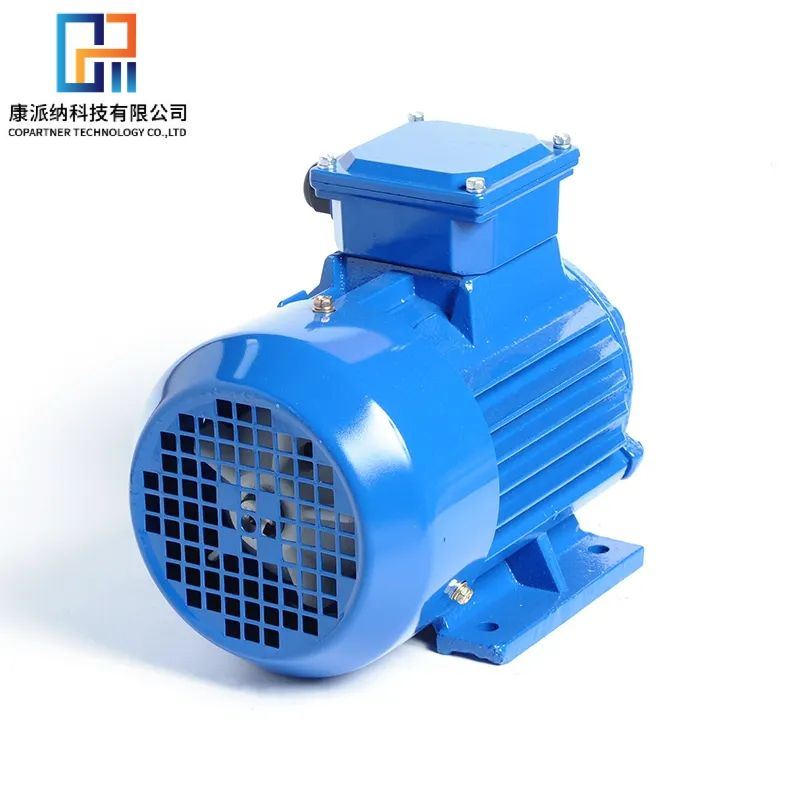
Food processing environments require frequent and thorough cleaning. Motors that are not designed for such conditions can suffer from rust, corrosion, or contamination buildup. High-pressure washdowns, caustic cleaning chemicals, and exposure to extreme temperatures make standard motors unsuitable for these environments. Standard motors may fail to withstand the cleaning processes necessary for food plants, leading to contamination risks and higher maintenance costs.
Tip: Use washdown-rated motors designed to withstand high-pressure washdowns and aggressive cleaning solutions to maintain a hygienic environment.
Standard electric motors often lack the protective coatings needed to prevent contamination or rust. In food processing plants, this can lead to product contamination, which is a serious food safety risk. Motors used in food processing need to be resistant to corrosion and contamination buildup, which standard motors are not designed to handle. Specialized motors made from materials like stainless steel or those coated with anti-corrosive finishes can prevent the growth of bacteria and other contaminants, safeguarding both the product and the production environment.
Tip: Invest in motors with corrosion-resistant features to avoid contamination risks and ensure safe food production.
Food and beverage plants face challenging operational environments, such as extreme temperatures and high humidity. Motors used in these environments need to be rugged and durable. Standard motors are often unable to withstand these conditions and are prone to early failure.Specialized motors are built to operate in harsh environments, ensuring reliable performance even under demanding conditions.
Tip: Choose specialized motors that are designed for durability in extreme conditions to reduce maintenance costs and extend the life of your equipment.
The primary advantage of specialized electric motors in food processing is their ability to meet high hygiene standards. These motors are built to be easily cleaned and resistant to contamination, ensuring a safe production environment. Unlike traditional motors, specialized motors are designed to prevent the buildup of food particles and bacteria.For example, motors with epoxy-coated or stainless steel exteriors are commonly used in environments where hygiene is a top priority, such as meat processing, dairy, and poultry plants.
Tip: Select epoxy-coated or stainless steel motors to ensure your plant remains free from contaminants and complies with food safety regulations.
Specialized electric motors are designed to optimize energy use, reducing operational costs. In an energy-intensive industry like food production, choosing energy-efficient motors can lead to significant savings. High-efficiency motors convert more electrical energy into mechanical energy, reducing waste and lowering the overall energy consumption of the plant.
This is particularly important in refrigeration, cooling, and heating systems used in food processing.
Tip: Opt for high-efficiency motors to lower your energy consumption and reduce operational costs.
Reliability is crucial in the food and beverage industry. Any motor failure can halt production and lead to costly downtime. Specialized motors are built for longevity and durability, offering longer lifespans compared to standard motors. This reliability helps keep production lines running smoothly and ensures that the business meets consumer demands consistently.
Tip: Choose specialized motors known for their reliability and extended lifespan to keep your production lines running without interruptions.
In the food and beverage industry, specialized electric motors for the food and beverage industry are essential for meeting hygiene, energy, and reliability standards. Copartner Technology Co.,Ltd.offers motors that excel in harsh environments, ensuring optimal performance while meeting food safety regulations. Their specialized motors improve efficiency, reduce downtime, and enhance product quality, making them a valuable solution for food and beverage plants.
A: Specialized electric motors are essential because they are designed to meet hygiene standards, withstand harsh cleaning processes, and provide reliability in food production environments.
A: Specialized motors improve hygiene, energy efficiency, and precision control, which leads to higher productivity, better product quality, and compliance with food safety standards.
A: Specialized motors are more reliable and durable, reducing the frequency of breakdowns and minimizing unplanned downtime, which helps maintain continuous production.
A: No, standard motors often fail to meet the stringent hygiene and cleaning requirements of food processing environments, leading to contamination risks and frequent failures. Specialized motors are specifically designed to handle these conditions.


